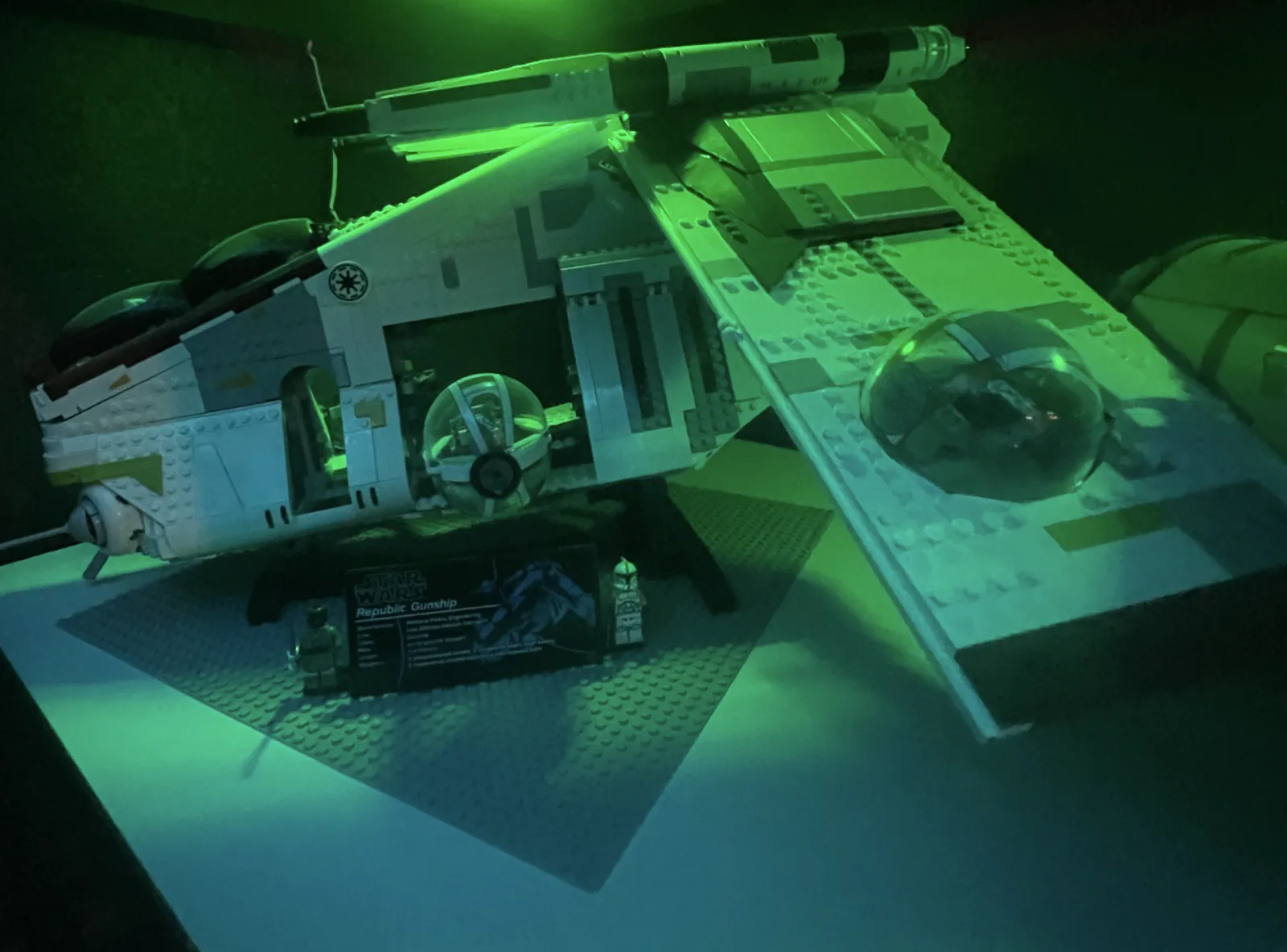
It’s one of the most repeated stories in LEGO fandom: the company was dying, then it signed Star Wars in 1999, and the rest is history. Like a lot of tidy business legends, it’s built on a true event and a false sense of timing.
Star Wars really was a hit
In 1999, LEGO did something it had never done in its 60-plus years: it licensed someone else’s intellectual property. Star Wars was the first, timed to The Phantom Menace, and it worked immediately. It broke LEGO’s long tradition of only building its own generic worlds — towns, castles, space — and it sold.
Through the early 2000s, strong LEGO Star Wars sales, together with the company’s own Bionicle line, were genuinely load-bearing. Multiple accounts of the era credit those two franchises with keeping cash coming in while the rest of the business wobbled. That part of the legend is true.
But the company still almost died — after Star Wars
Here’s the timing the legend skips. If Star Wars had saved LEGO in 1999, LEGO wouldn’t have spent the next five years lurching toward collapse. But it did.
By 2004, LEGO posted a staggering loss — on the order of £174 million — and was, by its own later admission, close to bankruptcy. The company had over-expanded: theme parks, video games, clothing, a bloated sprawl of product lines, and a dangerous over-reliance on the boom-and-bust cycle of licensed movie tie-ins (huge in a film year, cliff-edge in the years between).
A license can generate revenue. It can’t fix an unprofitable, over-diversified company. Star Wars was pouring water into a bucket with a hole in it.
What actually saved LEGO
The real turnaround started when Jørgen Vig Knudstorp became CEO in 2004 — the first non-family chief in LEGO’s history. The rescue was structural, not a single lucky deal:
- Brutal cost-cutting and simplification of the product range (and the number of unique parts).
- Selling off non-core assets — most notably offloading the LEGOLAND parks in 2005 to pay down debt.
- Refocusing on the core brick and the play system that made LEGO LEGO in the first place.
- Then building out licensing as a disciplined pillar — Star Wars renewed, Harry Potter (2001) expanded, and over the following two decades a deliberate stable of licenses that became, collectively, a massive growth engine.
Star Wars was one of those pillars — arguably the strongest and longest-running. But it was part of a rebuilt structure, not the crane that lifted the building on its own.
So — did Star Wars save LEGO?
Partly true. It helped keep LEGO alive through the danger years and became a cornerstone of the eventual comeback. But the company nearly went under with Star Wars already on the shelves. What saved LEGO was the boring, painful work of fixing the business — new leadership, cost discipline, asset sales, and refocus — with Star Wars as a powerful asset inside that plan, not a substitute for it.
What this means for collectors
It explains why early LEGO Star Wars sets (1999–2005) carry such weight on the aftermarket: they’re not just good sets, they’re artifacts from the theme that helped anchor LEGO’s survival — the first licensed bricks, from the years the company was fighting for its life. That backstory is exactly the kind of thing that props up long-term collector value.
For the full account of how close the whole thing came to zero, read how LEGO nearly went bankrupt — and for the fire sale that helped stop the bleeding, the LEGOLAND sale.