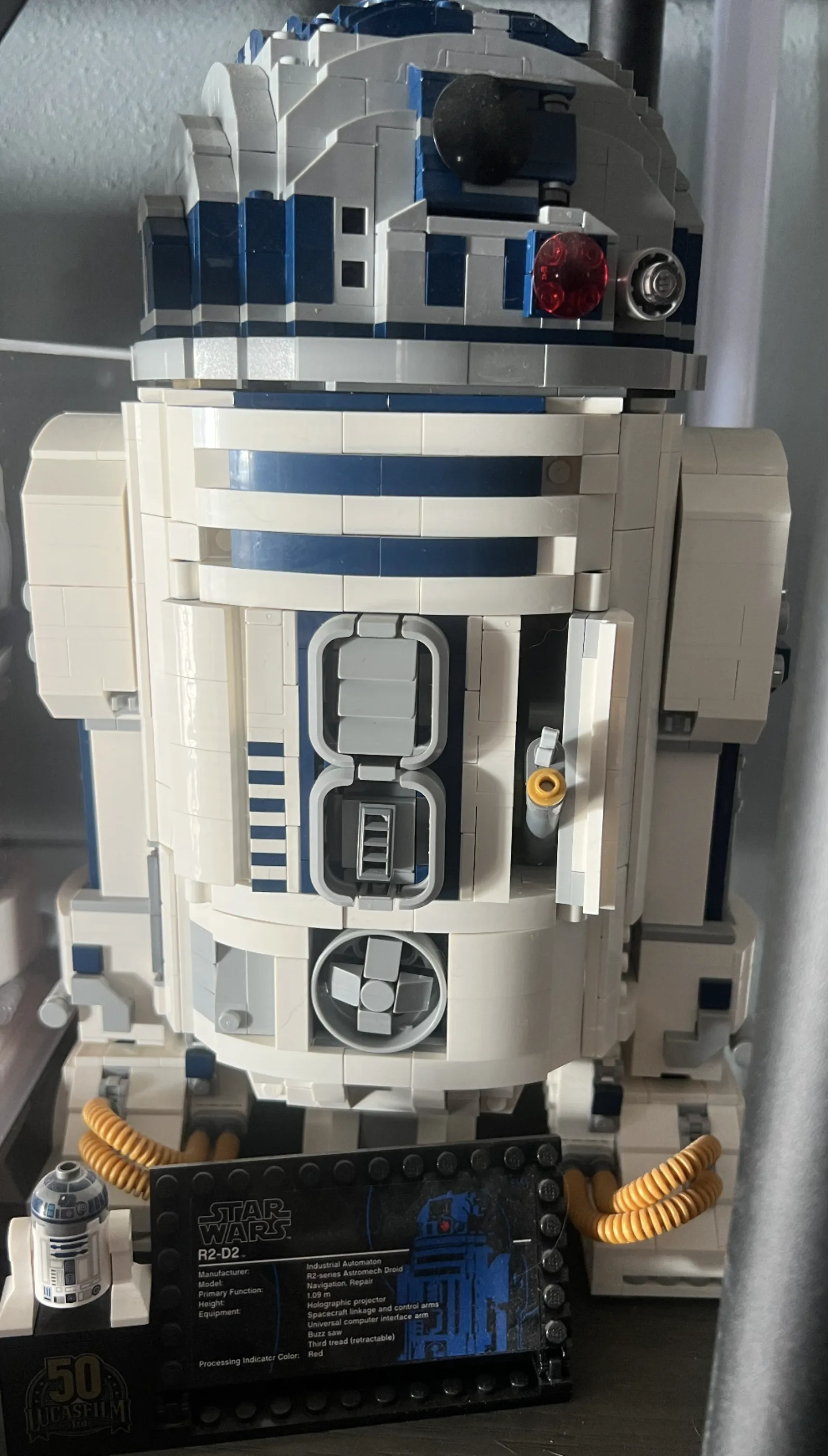
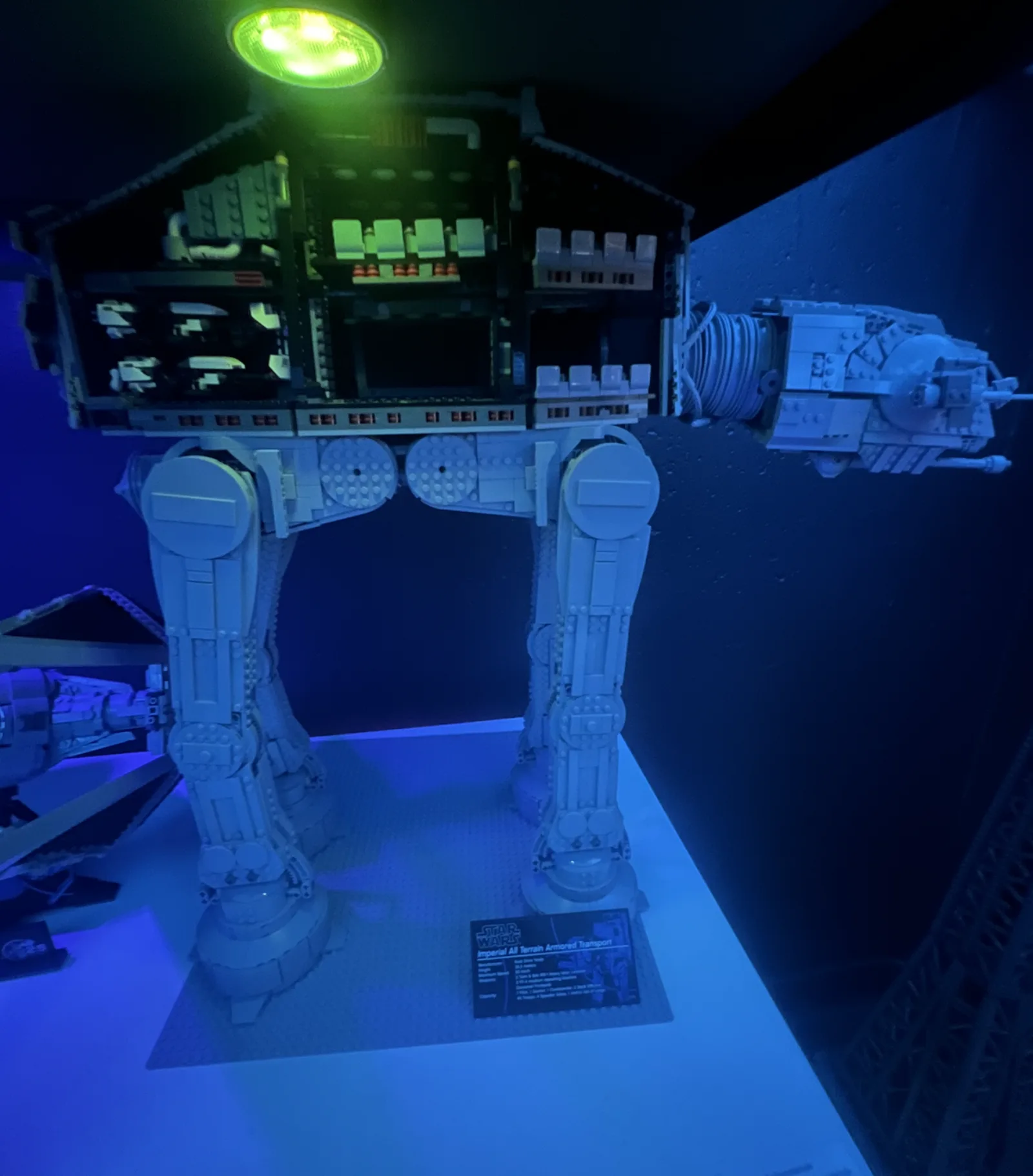
Walk the LEGO aisle and you’ll find plenty of conflict: Star Wars battles, castle sieges, pirate cannons, superhero brawls. What you will never find is a realistic modern tank, fighter jet, or assault rifle. Fans have noticed for decades. It’s not an oversight — it’s one of LEGO’s oldest and most firmly-held rules.
The policy, in LEGO’s own words
LEGO has maintained a long-standing policy against realistic modern military products. The company has stated the aim plainly. From a 2010 LEGO report:
“The basic aim is to avoid realistic weapons and military equipment that children may recognize from hot spots around the world, and to refrain from showing violent or frightening situations when communicating about LEGO products.”
The deeper reason is brand identity: LEGO does not want to be associated with glorifying real-world conflict or profiting from recognizable, current warfare. For a company whose whole image is wholesome, creative, child-centered play, a photorealistic drone strike is off-brand in the most literal sense.
The line: fantasy yes, realism no
The rule isn’t “no weapons ever” — LEGO sells plenty of weaponry. The distinction is fantasy versus realistic:
- Allowed: lightsabers, Star Wars blasters, castle swords and crossbows, pirate flintlocks and cannons, superhero gear, Ninjago weaponry. All clearly fictional, stylized, or historical-adventure.
- Avoided: modern, real, recognizable military hardware — the M4 you’d see on the news, a current-issue fighter jet, a real-world main battle tank.
Star Wars is the clearest illustration of the boundary. An entire theme built on space warfare is fine, because a blaster is unmistakably make-believe. The moment a weapon looks like something from a real, current conflict zone, it crosses LEGO’s line.
They’ll even cancel finished products
This isn’t a loose guideline LEGO bends for a big set — the company has killed developed products to honor it. The most-cited example: a LEGO V-22 Osprey aircraft, developed and produced, was withdrawn before release amid protests from a German anti-war group. A finished, ready product, pulled on principle. That’s how seriously LEGO takes the rule.
Historical military does get a careful, occasional pass (period-accurate content in, say, an Indiana Jones or historical context), but even there LEGO treads lightly. The default is avoidance.
The gap — and who fills it
Because LEGO leaves an entire category untouched, a whole cottage industry of third-party “brick” companies has grown up to sell LEGO-compatible modern military kits — tanks, soldiers, real-world weapons — aimed squarely at builders who want what LEGO won’t make. It’s the same dynamic that lets clone-brick brands exist at all: the basic brick patent is long expired, so competitors can make compatible parts LEGO chooses not to.
So — true?
True, and by design. LEGO’s refusal to make realistic modern military sets is a deliberate, decades-old policy the company has stated openly and enforced even at the cost of scrapping finished products. Fantasy war sells by the millions; real, recognizable war stays off the shelf.
What this means for collectors
Two things. First, it shapes what’s collectible: since LEGO won’t touch realistic military, the value action in “military-adjacent” LEGO lives in fantasy and sci-fi — which is part of why big Star Wars sets dominate the most valuable lists. Second, know what you’re buying: third-party military “brick” sets are not LEGO, don’t carry LEGO’s quality control, and won’t hold LEGO-brand collector value — even when they clutch onto your genuine bricks just fine.